Prostate Health After 40: The Habits and Nutrients That Actually Make a Difference
An evidence-informed guide to prostate health for men over 40 — the daily habits, nutrients, and red flags every man should know about, plus what the research really says.

Dr. Marcus Bennett, MS, RDN
April 24, 2026 · 9 min read

Healthy mature man jogging outdoors at sunrise representing men's wellness
By the time most men reach their 40s, the prostate quietly becomes one of the most influential organs in their daily life — and almost no one talks about it until something feels off. The truth is, prostate health doesn't suddenly become an issue at 60. The patterns that determine how comfortable, energetic, and healthy you feel in your 50s and 60s are built decades earlier, in habits most men never think twice about.
This guide pulls together what the research actually supports about maintaining prostate health, the symptoms worth paying attention to, and the small daily habits that compound into massive long-term differences.
Why prostate health matters more than men realize

The prostate is a small walnut-sized gland that sits just below the bladder, surrounding the urethra. Its size and function naturally change with age — and that change is what drives the symptoms most men eventually experience: weaker urinary flow, increased night-time bathroom trips, lower energy, and reduced confidence. Studies suggest that more than 50% of men over 50 have some degree of benign prostate enlargement (BPH), and that number climbs to over 80% by age 70.
Crucially, BPH is not the same as prostate cancer — but it can dramatically affect quality of life. The good news is that lifestyle and nutritional choices have a measurable impact on how the prostate ages.
The early warning signs most men ignore

Pay attention if you notice: waking up two or more times per night to urinate, weaker or interrupted urinary stream, a feeling of incomplete emptying, urgency, or dribbling at the end. These aren't just nuisances — they're early signals worth addressing before they snowball. None of these alone are dangerous, but persistent symptoms warrant a conversation with your doctor and, ideally, a baseline PSA test starting at age 45–50.
The nutrients with the strongest research

A handful of nutrients consistently show up in the prostate-health literature. Saw palmetto is one of the most studied botanicals for urinary support and is the backbone of many prostate formulas. Zinc — the prostate concentrates zinc more than almost any other tissue in the body — plays a critical role in normal function. Lycopene, found in cooked tomatoes and watermelon, is associated in observational studies with better prostate outcomes. Selenium, found in Brazil nuts and seafood, supports antioxidant defense. And omega-3 fatty acids appear to reduce inflammation, which matters because chronic low-grade inflammation is one of the underlying drivers of prostate enlargement.
The role of botanicals like nettle root and pumpkin seed

Beyond saw palmetto, several traditional botanicals have earned attention. Nettle root has been shown in multiple studies to support urinary flow, especially when paired with saw palmetto. Pumpkin seed extract — rich in zinc and phytosterols — is another well-documented option. Beta-sitosterol, a plant sterol naturally present in many of these botanicals, is one of the most clinically supported compounds for urinary symptom relief in men with BPH.
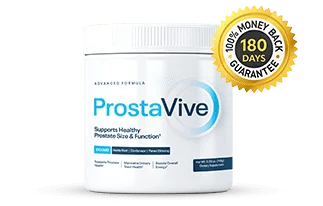
For men looking to combine these compounds in one daily formula, a natural prostate-support supplement with a long money-back guarantee is one credible option to consider. Affiliate disclosure.
Why exercise matters more than supplements ever will

If you only do one thing for your prostate, make it daily movement. Multiple studies have shown that men who walk 3+ hours per week have significantly lower rates of BPH progression and reduced lower-urinary-tract symptoms. Aerobic activity improves circulation to the pelvic region, reduces systemic inflammation, and helps regulate the hormones (especially insulin and estrogen-to-testosterone balance) that influence prostate growth. Sedentary lifestyles, by contrast, are independently associated with worse prostate outcomes — even after adjusting for diet and weight.
Diet patterns that protect — and ones that don't
Mediterranean-style eating consistently performs best in prostate-health studies. That means: lots of vegetables, olive oil, fatty fish, nuts, legumes, and tomato-based dishes; moderate amounts of poultry, eggs, and dairy; minimal red meat and processed food. Diets high in red meat, dairy fat, and refined sugar have been associated with worse outcomes, while diets rich in cruciferous vegetables (broccoli, cauliflower, cabbage) appear protective. The mechanism isn't magic — it's the cumulative effect of antioxidants, fiber, healthy fats, and reduced inflammation working together over years.
Hydration, but timed correctly

Adequate hydration is essential for urinary tract health, but timing matters. Aim for most of your daily fluid before 6 PM. Drinking large amounts late in the evening is the #1 reason healthy men with no underlying issue still wake up multiple times at night. Cut caffeine and alcohol after late afternoon — both irritate the bladder and amplify night-time symptoms.
The stress-and-sleep connection

Chronic stress raises cortisol, which over time disrupts the hormonal balance the prostate depends on. Poor sleep amplifies the same problem and reduces the body's ability to regulate inflammation overnight. Most men underestimate how much a consistent 7–8 hour sleep schedule contributes to long-term male wellness — including prostate function, testosterone production, and energy levels.
When supplements actually make sense
Supplements aren't a replacement for the basics, but they can be a meaningful accelerator when chosen well. The strongest case for a prostate-support supplement is for men over 40 who are already eating reasonably well, exercising, and sleeping enough — but want to add a layer of nutritional insurance specifically targeted at urinary comfort and prostate function. Look for formulas that combine the well-studied compounds above (saw palmetto, nettle root, zinc, beta-sitosterol) at meaningful doses, with a long money-back guarantee so you have time to evaluate fairly.
“An evidence-informed guide to prostate health for men over 40 — the daily habits, nutrients, and red flags every man should know about, plus what the research really says.”
What realistic results look like

If you commit to the full system — daily walking, a Mediterranean-style diet, smart hydration, consistent sleep, and a quality supplement — most men notice a meaningful difference within 6–8 weeks. That usually shows up as fewer night-time bathroom trips, more comfortable urinary flow, steadier daytime energy, and better overall confidence. Don't expect overnight changes; the prostate responds to sustained input, not quick fixes.
Red flags that warrant a doctor visit
Self-care never replaces medical evaluation. See a doctor promptly if you experience: blood in urine or semen, sudden inability to urinate, severe pelvic or lower back pain, unexplained weight loss, or rapid worsening of urinary symptoms. These can have many causes — most benign — but should never be ignored.
The bottom line
Prostate health isn't about fearing what could go wrong — it's about respecting that the gland is sensitive to the same lifestyle inputs that affect the rest of your body. Eat well, move daily, sleep enough, hydrate smart, and consider a credible support formula if you want extra reinforcement. Done consistently, this isn't just about avoiding problems — it's about staying energetic, confident, and in control of your daily life well into your 60s and 70s. The men who quietly do this work in their 40s are the ones who don't think twice about their prostate at 65.
Best Deals Today
Continue reading
April 23, 2026
Stubborn Belly Fat After 30: Why It Won't Budge (And What Actually Works)
Why belly fat becomes harder to lose after 30 — the metabolic, hormonal, and lifestyle drivers — and the evidence-based habits, foods, and supplements that genuinely move the needle.

April 25, 2026
Vision Decline After 40: What's Actually Happening to Your Eyes (And How to Slow It Down)
Why eyesight changes after 40 are biological — not just a nuisance — and the evidence-based nutrients, habits, and supplements that can meaningfully slow the process.

April 25, 2026
Digital Eye Strain: Why Your Eyes Hurt After Screen Time (And How to Actually Fix It)
A research-backed guide to the real causes of digital eye strain — and the screen habits, environmental tweaks, and nutrients that genuinely make a difference.

April 20, 2026
Natural Thermogenics: How Citrus-Based Fat Burners Actually Work
A clear, science-backed breakdown of how thermogenic ingredients like citrus extract, capsaicin and green tea support metabolism and accelerate fat loss.