Vision Decline After 40: What's Actually Happening to Your Eyes (And How to Slow It Down)
Why eyesight changes after 40 are biological — not just a nuisance — and the evidence-based nutrients, habits, and supplements that can meaningfully slow the process.

Dr. Marcus Bennett, MS, RDN
April 25, 2026 · 8 min read

Reading glasses, blueberries, leafy greens and ginkgo leaves arranged on a wooden table
Somewhere between 40 and 50, almost everyone notices it. Restaurant menus suddenly need to be held a little farther away. Your phone screen looks slightly fuzzy first thing in the morning. Driving at night feels harder than it used to, with halos around oncoming headlights and a little extra effort to focus on signs. None of it is dramatic — but it's a quiet reminder that your eyes, like the rest of your body, are aging.
The good news: a meaningful portion of age-related vision decline is influenced by factors you can actually control. Nutrition, screen habits, sleep, and the right supplemental support can slow the trajectory significantly — especially when you start before symptoms become severe.
What's actually changing inside your eyes

Three things are happening at once. First, the lens of your eye gradually loses elasticity (a condition called presbyopia), making it harder to focus on close objects. Second, the macula — the central part of the retina responsible for sharp vision — accumulates oxidative damage over decades of light exposure. Third, the eye's natural antioxidant defenses (lutein, zeaxanthin, glutathione) become depleted faster than your diet replenishes them. Together, these changes explain almost every common 'mid-life eye' complaint.
The role of oxidative stress
The retina is one of the most metabolically active tissues in the human body, which means it generates enormous amounts of free radicals as a byproduct of normal function. Sunlight, blue light from screens, smoking, and poor diet all accelerate this oxidative load. Over years, the damage accumulates in the macula and the lens — and is the single biggest driver of age-related macular degeneration (AMD), the leading cause of severe vision loss in adults over 60.
The nutrients with the strongest research

Two carotenoids — lutein and zeaxanthin — are the heroes of eye-health science. They literally concentrate in the macula, where they filter harmful blue light and neutralize free radicals before they damage retinal cells. Decades of randomized trials (most famously the AREDS2 study) confirm that adequate daily intake of lutein (around 10–20 mg) and zeaxanthin (around 2–10 mg) reduces the risk of AMD progression. Bilberry, saffron, and ginkgo biloba add complementary support — improving blood flow to the eye, protecting vision cells from oxidation, and supporting night vision specifically.
What food can (and can't) deliver
Lutein and zeaxanthin are found in dark leafy greens (kale, spinach, collards), egg yolks, corn, and orange peppers. Bilberries and blueberries provide anthocyanins. The catch: most adults eat nowhere near the clinically relevant amounts. Hitting 20 mg of lutein from food alone means roughly 4 cups of cooked kale every single day. For most people, dietary intake gets you partway there — and a well-formulated supplement closes the gap without changing your entire diet.
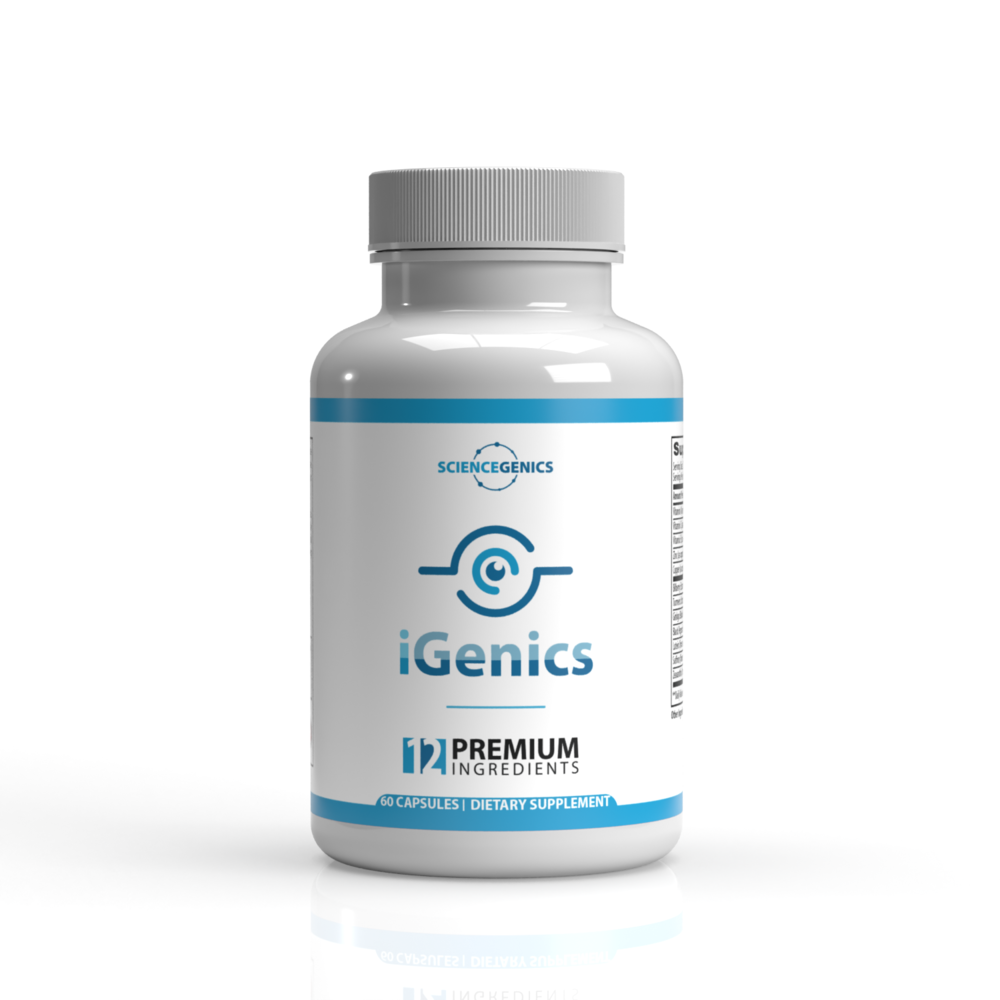
For adults who want to combine these eye-health nutrients in one daily formula, a natural eye-support supplement with a 180-day money-back guarantee is one credible option to consider. Affiliate disclosure.
Why screen time matters more than you think

The average adult now spends 7+ hours per day looking at digital screens. This doesn't directly cause structural eye damage, but it dramatically increases eye fatigue, dryness, and blurry vision through a combination of reduced blink rate, sustained close-focus strain, and prolonged blue-light exposure. Over years, these symptoms compound and make age-related changes feel worse than they biologically are.
The 20-20-20 habit that actually helps
Every 20 minutes of screen work, look at something at least 20 feet away for 20 seconds. It sounds trivial, but it gives the ciliary muscles in your eye a chance to relax and resets your blink rate. Combined with deliberate hydration and proper screen distance (about an arm's length away, slightly below eye level), most people see noticeable relief from end-of-day eye fatigue within a week.
Sleep is your eyes' repair window

While you sleep, your eyes go through critical maintenance: the cornea reoxygenates, tear film replenishes, and oxidative damage from the day is partially reversed. Chronic sleep deprivation (under 6 hours regularly) has been linked in studies to dry eye syndrome, slower visual processing, and accelerated retinal damage. If you've ever noticed your vision feels 'crisper' after a great night of sleep, that's not your imagination — it's biology.
Sun and blue light protection
UV exposure is one of the largest cumulative drivers of cataracts and macular degeneration. Wear quality sunglasses (UV400 or 100% UVA/UVB) any time you're outdoors in daylight — not just at the beach. For screen-heavy work, blue-light-filtering glasses or your device's night mode after sunset can reduce evening eye strain and help protect your circadian rhythm.
When supplements actually make sense

Supplements aren't a replacement for the basics, but they're one of the highest-leverage interventions available for vision support after 40. The strongest case for an eye-health supplement is for adults already eating reasonably well and protecting their eyes — but who want to ensure consistent, clinical-grade doses of the nutrients that food alone rarely delivers. Look for formulas that combine lutein, zeaxanthin, bilberry, and saffron at meaningful doses, with a long money-back guarantee so you have time to evaluate fairly.
“Why eyesight changes after 40 are biological — not just a nuisance — and the evidence-based nutrients, habits, and supplements that can meaningfully slow the process.”
What realistic results look like

Eyes don't respond as quickly as muscles do. Most people who commit to the full system — daily greens, screen breaks, quality sleep, sun protection, and a quality supplement — report noticeable changes in 6–12 weeks: less eye fatigue at night, sharper contrast in low light, easier focus shifts between near and far. Long-term protection against AMD is the bigger payoff, and it accumulates quietly over years.
Red flags that warrant an eye exam

Self-care never replaces professional care. See an optometrist or ophthalmologist promptly if you notice: sudden vision loss in one eye, flashes of light, a sudden increase in floaters, distorted straight lines, or persistent eye pain. After 40, schedule a comprehensive dilated eye exam every 1–2 years even if everything feels fine — most serious eye conditions are silent in the early stages.
The bottom line
Vision decline after 40 isn't inevitable in the way most people assume. The biology is real, but so is the leverage you have. Eat the greens, take the screen breaks, sleep enough, wear the sunglasses, and consider a credible eye-health supplement to ensure consistent dosing of the nutrients that matter most. The adults who quietly do this work in their 40s and 50s are the ones still reading menus comfortably at 70.
Best Deals Today
Continue reading
April 23, 2026
Stubborn Belly Fat After 30: Why It Won't Budge (And What Actually Works)
Why belly fat becomes harder to lose after 30 — the metabolic, hormonal, and lifestyle drivers — and the evidence-based habits, foods, and supplements that genuinely move the needle.

April 25, 2026
Digital Eye Strain: Why Your Eyes Hurt After Screen Time (And How to Actually Fix It)
A research-backed guide to the real causes of digital eye strain — and the screen habits, environmental tweaks, and nutrients that genuinely make a difference.

April 20, 2026
Natural Thermogenics: How Citrus-Based Fat Burners Actually Work
A clear, science-backed breakdown of how thermogenic ingredients like citrus extract, capsaicin and green tea support metabolism and accelerate fat loss.
April 22, 2026
Why Appetite Control Matters More Than Calorie Burning for Fat Loss
Why managing cravings is the real lever for sustainable weight loss, and how the right supplement stack can quietly accelerate your results.