Stubborn Belly Fat After 30: Why It Won't Budge (And What Actually Works)
Why belly fat becomes harder to lose after 30 — the metabolic, hormonal, and lifestyle drivers — and the evidence-based habits, foods, and supplements that genuinely move the needle.

Dr. Marcus Bennett, MS, RDN
April 23, 2026 · 8 min read
Measuring tape, green tea leaves, red grapes, blueberries, citrus and beet root on a marble surface
If you've crossed 30 and noticed that the same diet and exercise routine that used to keep you lean now barely touches your waistline, you're not imagining it. Belly fat — especially the deeper, more dangerous visceral fat that wraps around your organs — becomes biologically harder to lose with each passing decade. The good news: the drivers are predictable, and so are the fixes.
Why your metabolism slows down after 30

Starting in your early 30s, your basal metabolic rate (the calories your body burns just to stay alive) drops by roughly 1–2% per decade. Muscle mass naturally declines, hormones shift, and mitochondrial efficiency — the cellular engines that turn food into energy — gradually decreases. The combined effect is a body that needs less fuel than it used to, while most people keep eating the same amount or more.
The cortisol and belly fat connection

Chronic stress raises cortisol, and elevated cortisol drives fat storage specifically around the abdomen. This is one of the cruelest biological feedback loops: a stressful job, poor sleep, or constant low-grade anxiety literally tells your body to deposit more fat in the area you're trying hardest to slim down. Managing stress isn't optional for belly-fat loss after 30 — it's foundational.
The role of insulin sensitivity

After 30, cells gradually become less responsive to insulin, the hormone that shuttles glucose into muscles. When insulin sensitivity drops, more glucose gets stored as fat — particularly visceral fat. Refined carbs, sugary drinks, and constant snacking all worsen this process. Reducing added sugar and prioritizing protein and fiber at every meal is one of the highest-leverage moves you can make.
Why willpower alone doesn't work anymore

In your 20s, you could 'eat less and move more' and the scale would respond within a week. After 30, hormonal shifts (insulin, cortisol, leptin, ghrelin) actively push back. Crash diets often backfire because they spike cortisol, lower thyroid output, and burn muscle along with fat — leaving you with a slower metabolism than when you started. Sustainable change requires a system, not heroics.
Sleep is your fat-loss multiplier

Two consecutive nights of less than 6 hours of sleep is enough to measurably increase ghrelin (the hunger hormone), suppress leptin (the satiety hormone), and reduce insulin sensitivity by 30% or more. Chronic short sleep is one of the most underrated drivers of stubborn belly fat. Aim for 7–8 hours, and treat it as non-negotiable infrastructure for everything else you're trying to do.
The protein lever almost no one pulls hard enough

Protein has the highest thermic effect of any macronutrient (your body burns 20–30% of its calories just digesting it), preserves muscle during fat loss, and provides the strongest satiety per calorie. Most adults under-eat protein, especially at breakfast. Aim for 30+ grams of protein at your first meal — eggs, Greek yogurt, cottage cheese, or a quality whey shake — and watch how much your cravings drop later in the day.
For adults looking to combine these metabolic and polyphenol compounds in one daily routine, a natural metabolic-support supplement with a 180-day money-back guarantee is one credible option to consider. Affiliate disclosure.
Why daily walking beats sporadic intense workouts

Your body burns the most calories doing the activities you do most often — and for most people, that's not the gym, it's everyday movement. 8,000–10,000 steps a day, broken into walks after meals, sustainably reduces visceral fat, improves insulin sensitivity, and lowers cortisol. It also doesn't backfire the way overtraining can. If you only do one thing physically, walk more.
Strength training matters more after 30 than before
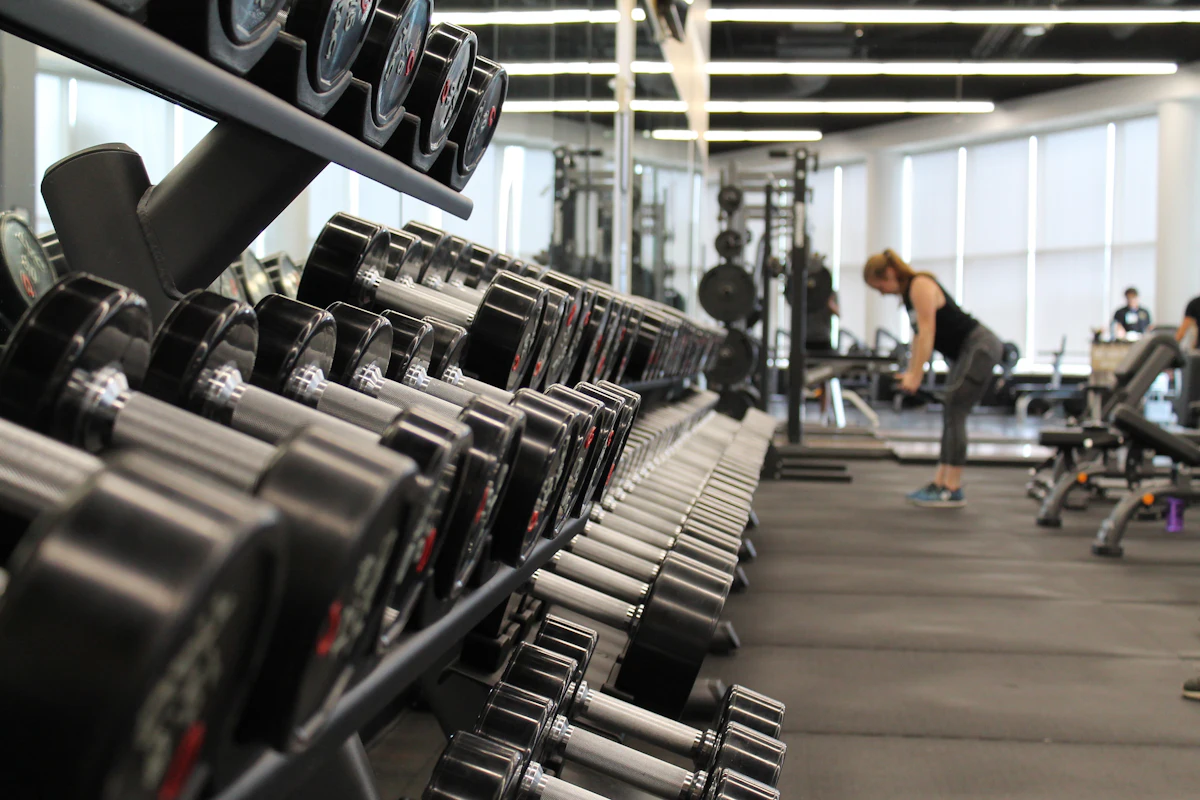
Every decade after 30, you lose 3–5% of your muscle mass if you don't actively train to preserve it. Less muscle means a slower metabolism, worse insulin sensitivity, and a body that stores more fat per calorie consumed. Two or three short strength sessions per week (compound movements: squats, hinges, presses, rows) is enough to reverse the decline and meaningfully shift body composition.
The polyphenol advantage for stubborn fat

Plant compounds like resveratrol (grapes), EGCG (green tea), and anthocyanins (berries, hibiscus) work through complementary mechanisms: improving mitochondrial function, supporting healthy blood sugar, and reducing the chronic low-grade inflammation that locks in belly fat. Eating a wide range of colorful plants daily, plus a cup or two of green tea, gives you a meaningful nutritional advantage over time.
Gut health and the bloating that fakes belly fat

A surprisingly large portion of what people call 'belly fat' is actually chronic bloating from a sluggish or imbalanced gut. Soluble fiber (citrus pectin, oats, beans), fermented foods (yogurt, kefir, kimchi), and a quality probiotic blend can dramatically reduce bloating within 2–3 weeks. Many people are shocked at how much flatter their stomach looks once digestion is properly supported — even before fat loss begins.
Hydration: the cheapest metabolic boost there is
Mild dehydration measurably slows metabolism, increases hunger (your brain often confuses thirst for hunger), and reduces exercise performance. Aim for 2–3 liters of water daily, more if you exercise or drink coffee. A simple test: if your urine isn't pale yellow by mid-morning, you're behind. Front-load your hydration in the first half of the day for the biggest energy and appetite-control benefits.
“Why belly fat becomes harder to lose after 30 — the metabolic, hormonal, and lifestyle drivers — and the evidence-based habits, foods, and supplements that genuinely move the needle.”
When supplements actually make sense

Supplements aren't a substitute for the basics, but a well-formulated metabolic blend — combining ingredients like fucoxanthin, resveratrol, EGCG, citrus pectin, and a quality probiotic — can be one of the highest-leverage additions for adults already doing the foundational work. The strongest case is for people who eat reasonably well, sleep enough, and walk daily, but want consistent support for metabolism, digestion, and energy. Look for formulas with a long money-back guarantee — fat-loss results typically take 4–12 weeks to evaluate fairly.
What realistic results look like

Sustainable belly-fat loss after 30 typically runs at 0.5–1 pound per week of actual fat (not water), with visible waistline changes appearing in weeks 4–8 and meaningful body recomposition over 3–6 months. Anything faster than that is usually water, muscle, or short-term — and tends to come back. The adults who quietly stay lean into their 40s and 50s aren't on extreme programs; they're consistent with the basics.
Red flags worth a doctor visit

If you've made real lifestyle changes for 8–12 weeks and the scale or waistline genuinely won't move — especially if accompanied by fatigue, hair loss, cold intolerance, or mood changes — get blood work done. Thyroid issues, insulin resistance, low testosterone (in men), and perimenopausal hormonal shifts (in women) are all common and treatable causes of stubborn fat after 30 that no amount of dieting will fix on its own.
The bottom line
Stubborn belly fat after 30 isn't a willpower problem — it's a biology problem with predictable solutions. Sleep enough, prioritize protein, walk daily, lift twice a week, manage stress, hydrate, eat the polyphenols, and consider a credible metabolic supplement to support the work you're already doing. The compound effect of doing the basics consistently for 90 days is bigger than any extreme program — and it actually lasts.
Best Deals Today
Continue reading

April 25, 2026
Vision Decline After 40: What's Actually Happening to Your Eyes (And How to Slow It Down)
Why eyesight changes after 40 are biological — not just a nuisance — and the evidence-based nutrients, habits, and supplements that can meaningfully slow the process.

April 25, 2026
Digital Eye Strain: Why Your Eyes Hurt After Screen Time (And How to Actually Fix It)
A research-backed guide to the real causes of digital eye strain — and the screen habits, environmental tweaks, and nutrients that genuinely make a difference.
April 20, 2026
Natural Thermogenics: How Citrus-Based Fat Burners Actually Work
A clear, science-backed breakdown of how thermogenic ingredients like citrus extract, capsaicin and green tea support metabolism and accelerate fat loss.
April 22, 2026
Why Appetite Control Matters More Than Calorie Burning for Fat Loss
Why managing cravings is the real lever for sustainable weight loss, and how the right supplement stack can quietly accelerate your results.