Why Appetite Control Matters More Than Calorie Burning for Fat Loss
Why managing cravings is the real lever for sustainable weight loss, and how the right supplement stack can quietly accelerate your results.

Dr. Marcus Bennett, MS, RDN
April 22, 2026 · 8 min read
Healthy bowl with grilled chicken, vegetables and avocado on a wooden table
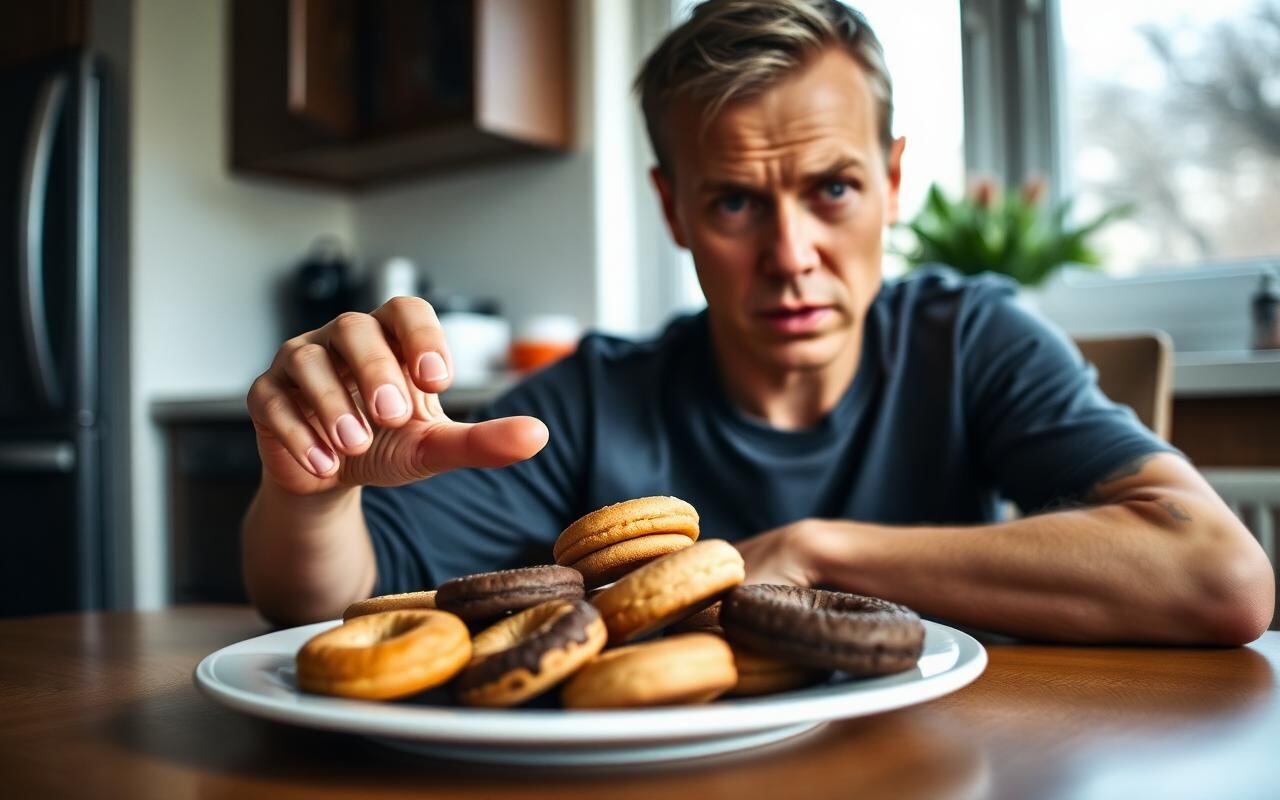
Ask anyone who has tried — and failed — at a diet why it didn't stick. Almost no one says "my metabolism was too slow." They say they were hungry, exhausted, snapped at their family, or couldn't stop snacking at night. That's the real battle, and it's the one almost no fitness program prepares you for.
The math is simple, the behavior isn't

A 500-calorie daily deficit produces about a pound of fat loss per week. That's the easy part. The hard part is sustaining the deficit when your brain is screaming for sugar at 3 PM, when stress hits and the kitchen feels closer than ever, or when you wake up at 2 AM thinking about leftover pizza. Willpower is a finite resource. The people who succeed long-term don't have more willpower — they've engineered an environment that requires less of it.
The hormonal side of hunger

Hunger isn't just psychological. It's driven by ghrelin (which spikes when your stomach is empty), leptin (which signals fullness — and drops when you diet), and insulin (which crashes after sugary meals and triggers cravings). When these hormones are out of balance, you're fighting biology, not motivation. This is why crash diets fail: they amplify every hunger signal your body has.
How supplements quietly tilt the odds

Certain compounds have been shown in clinical studies to blunt these hunger signals. Chromium picolinate stabilizes blood sugar, reducing the energy crashes that trigger cravings. Capsaicin and green tea catechins have mild appetite-suppressing effects. Citrus-based extracts influence satiety hormones and extend the feeling of fullness after meals. Stacked together, they don't eliminate hunger — but they take the edge off enough that a calorie deficit stops feeling like a daily war.
The accelerator effect is real but understated. People who use a well-formulated appetite-control supplement consistently report eating 200–400 fewer calories per day without conscious effort. Over a month, that compounds into noticeable, sustainable progress.
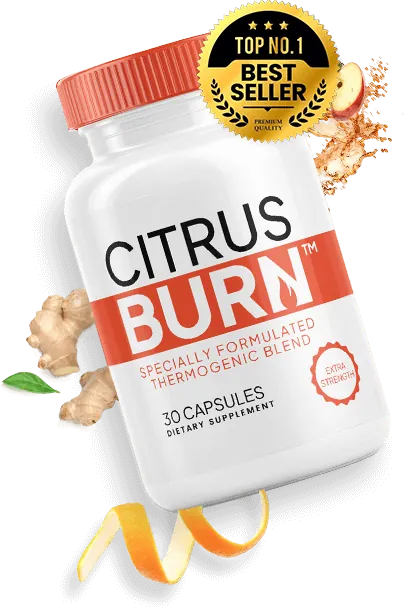
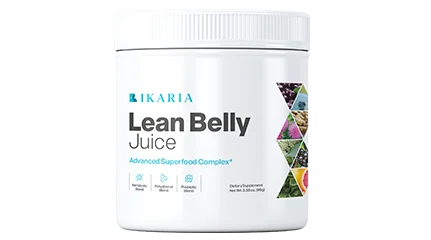
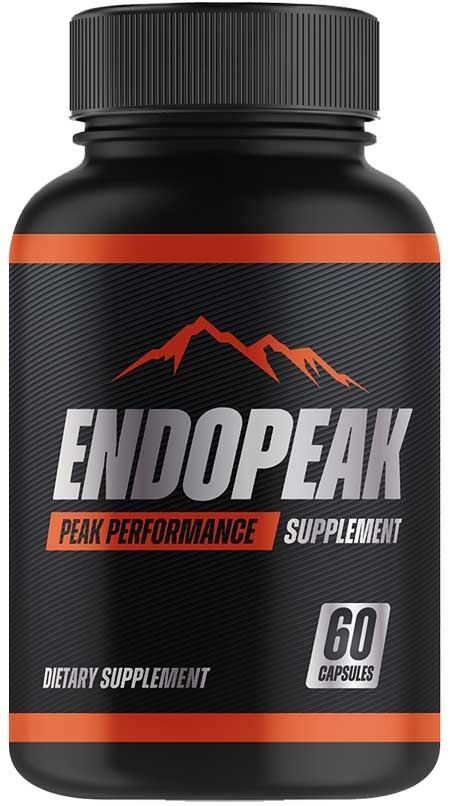
A practical option among the formulas that combine these compounds — a supplement that supports weight loss with a clinically aligned blend. Affiliate disclosure.
The compounding effect

When cravings drop by even 30%, everything else gets easier. You snack less, sleep better, exercise more consistently, and have more willpower left over for the parts of the day that actually require it. This is why appetite control is the highest-leverage area to focus on when picking a weight-loss supplement — it doesn't just save calories, it preserves the mental energy you need to keep going.
Practical strategies that work

Build your day around three pillars: a 30g+ protein breakfast that anchors your hunger hormones for the morning, hydration before every meal (often what feels like hunger is mild dehydration), and a consistent sleep schedule. Sleep deprivation alone can raise ghrelin by 15% and drop leptin by 15% — meaning a single bad night sets you up to overeat by 300+ calories the next day.
“Why managing cravings is the real lever for sustainable weight loss, and how the right supplement stack can quietly accelerate your results.”
Build the system, not just the willpower
Combine a high-protein breakfast, plenty of water, regular sleep, daily movement, and an appetite-supporting supplement, and you've built a system that works with your biology instead of against it. The supplement is the multiplier — it makes every other habit a little easier to stick to. That's how lasting fat loss actually happens, and that's why people who quietly add the right product to their routine consistently outpace those who try to white-knuckle it alone.
The takeaway
Stop optimizing for calories burned in the gym. Start optimizing for calories you didn't eat because you weren't hungry. That's where the real fat loss lives. Get the system right, add a credible accelerator, and the results will follow.
Best Deals Today
Continue reading
April 23, 2026
Stubborn Belly Fat After 30: Why It Won't Budge (And What Actually Works)
Why belly fat becomes harder to lose after 30 — the metabolic, hormonal, and lifestyle drivers — and the evidence-based habits, foods, and supplements that genuinely move the needle.

April 25, 2026
Vision Decline After 40: What's Actually Happening to Your Eyes (And How to Slow It Down)
Why eyesight changes after 40 are biological — not just a nuisance — and the evidence-based nutrients, habits, and supplements that can meaningfully slow the process.

April 25, 2026
Digital Eye Strain: Why Your Eyes Hurt After Screen Time (And How to Actually Fix It)
A research-backed guide to the real causes of digital eye strain — and the screen habits, environmental tweaks, and nutrients that genuinely make a difference.
April 20, 2026
Natural Thermogenics: How Citrus-Based Fat Burners Actually Work
A clear, science-backed breakdown of how thermogenic ingredients like citrus extract, capsaicin and green tea support metabolism and accelerate fat loss.