Hydration and Fat Loss: Why Water Is the Most Underrated Diet Tool
How proper hydration boosts metabolism, blunts hunger, and quietly accelerates fat loss — and the simple daily protocol that makes it automatic.

Dr. Marcus Bennett, MS, RDN
April 24, 2026 · 6 min read
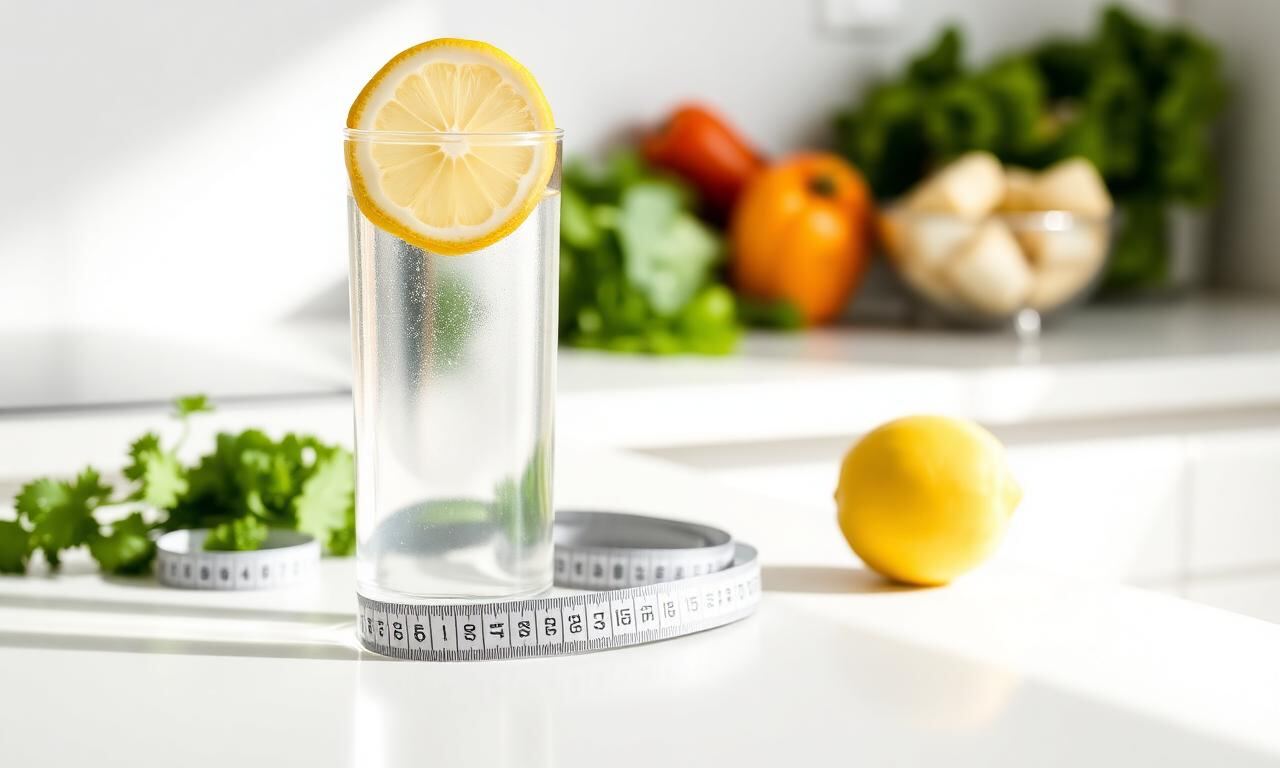
Glass of water with lemon next to a measuring tape and fresh vegetables
Water gets dismissed as basic advice, which is exactly why most people ignore it. But the research on hydration and body composition is unexpectedly strong. Drinking adequate water — and timing it correctly — produces a measurable, repeatable effect on appetite, metabolism, and fat loss.
Thirst masquerading as hunger

The brain's thirst and hunger signals share overlapping circuits in the hypothalamus, and people consistently misidentify mild dehydration as hunger. Studies estimate that up to 30% of perceived hunger episodes are actually thirst. A glass of water before reaching for a snack resolves the craving in roughly a third of cases — at zero calorie cost.
Water before meals reduces calorie intake

A controlled trial in the journal Obesity found that adults who drank 500ml of water 30 minutes before each meal lost 44% more weight over 12 weeks than a control group on the same diet. The mechanism is straightforward: water occupies stomach volume, triggers stretch receptors that signal fullness to the brain, and slightly lowers the calories you eat at the meal that follows.
The metabolic effect is real but small

Drinking 500ml of cold water increases metabolic rate by roughly 24–30% for about an hour, partly because your body has to warm the water to body temperature. The total calorie cost is modest — maybe 25–50 calories per liter — but it adds up across the day, and it's free.
How much water you actually need
The 8-cups-a-day rule is a rough heuristic. A better target is 30–40ml per kg of bodyweight, plus an additional 500ml for every 30 minutes of exercise. A 75kg adult should aim for roughly 2.5 liters daily, more in hot weather or with high activity. Urine color is the simplest real-time indicator: pale yellow is hydrated, dark yellow means drink more.
What counts and what doesn't

Plain water, sparkling water, and unsweetened tea all count. Coffee counts despite its mild diuretic effect — the net hydration is positive. Sodas, fruit juices, and sweetened drinks technically hydrate but come with such a heavy sugar load that they undermine the fat-loss goal entirely. Alcohol is dehydrating and should be subtracted from your daily total, not added to it.
A simple daily protocol

Drink 500ml on waking, before coffee. Drink 500ml 30 minutes before lunch and dinner. Sip throughout the day — keep a 1-liter bottle visible at your workspace and refill it once. That's roughly 2.5 liters with almost no thought required, plus the appetite-blunting effect of pre-meal water exactly when you need it.
“How proper hydration boosts metabolism, blunts hunger, and quietly accelerates fat loss — and the simple daily protocol that makes it automatic.”
Why most people get this wrong
The mistake isn't drinking too little water in total — it's drinking it at the wrong times. Chugging a liter at 9 PM doesn't help with daytime appetite control and ruins your sleep. Spreading hydration through the day, with deliberate doses before meals, is what produces the body-composition effect.
The takeaway

Water is the cheapest fat-loss tool available, and one of the most consistent. Get hydration right and the rest of your diet quietly becomes easier. It's not glamorous advice, but the people who actually succeed at sustainable fat loss almost always have this one nailed down.
Best Deals Today
Continue reading
April 23, 2026
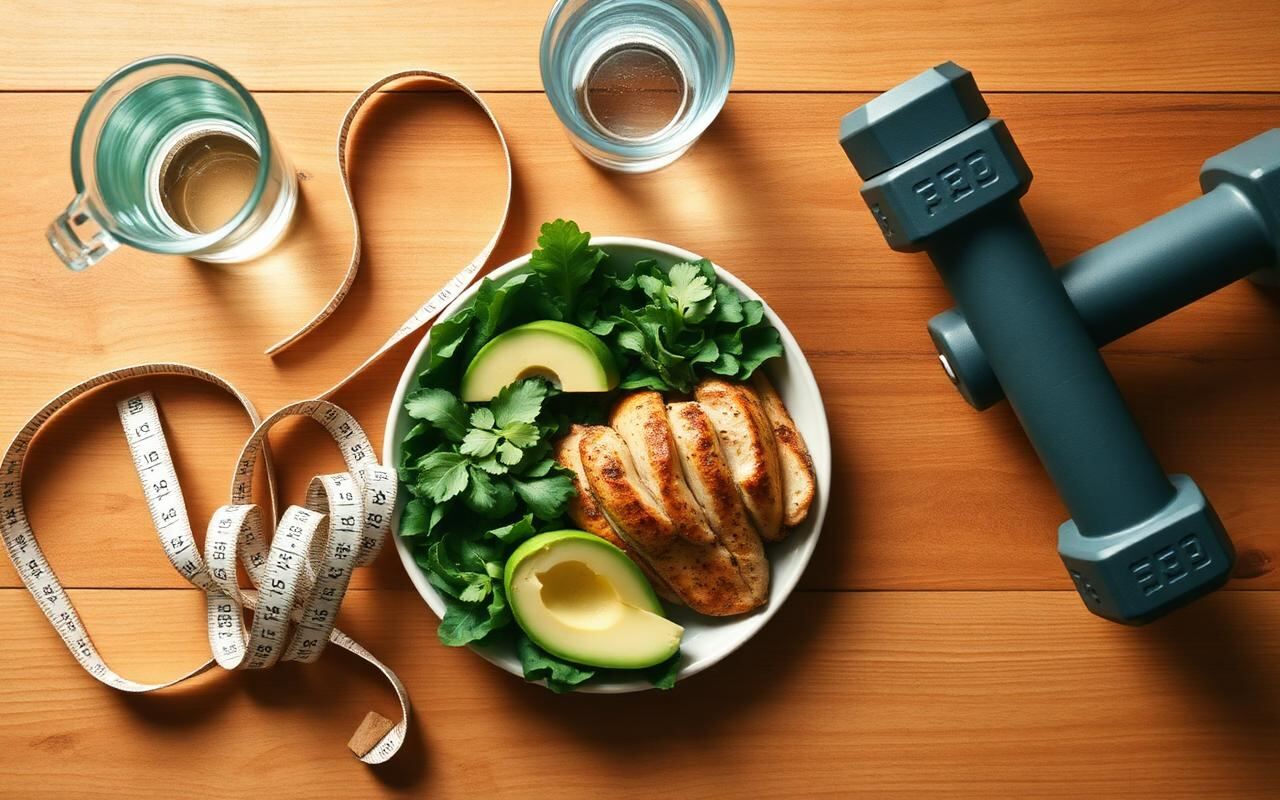
Stubborn Belly Fat After 30: Why It Won't Budge (And What Actually Works)
Why belly fat becomes harder to lose after 30 — the metabolic, hormonal, and lifestyle drivers — and the evidence-based habits, foods, and supplements that genuinely move the needle.

April 25, 2026
Vision Decline After 40: What's Actually Happening to Your Eyes (And How to Slow It Down)
Why eyesight changes after 40 are biological — not just a nuisance — and the evidence-based nutrients, habits, and supplements that can meaningfully slow the process.

April 25, 2026
Digital Eye Strain: Why Your Eyes Hurt After Screen Time (And How to Actually Fix It)
A research-backed guide to the real causes of digital eye strain — and the screen habits, environmental tweaks, and nutrients that genuinely make a difference.
April 20, 2026
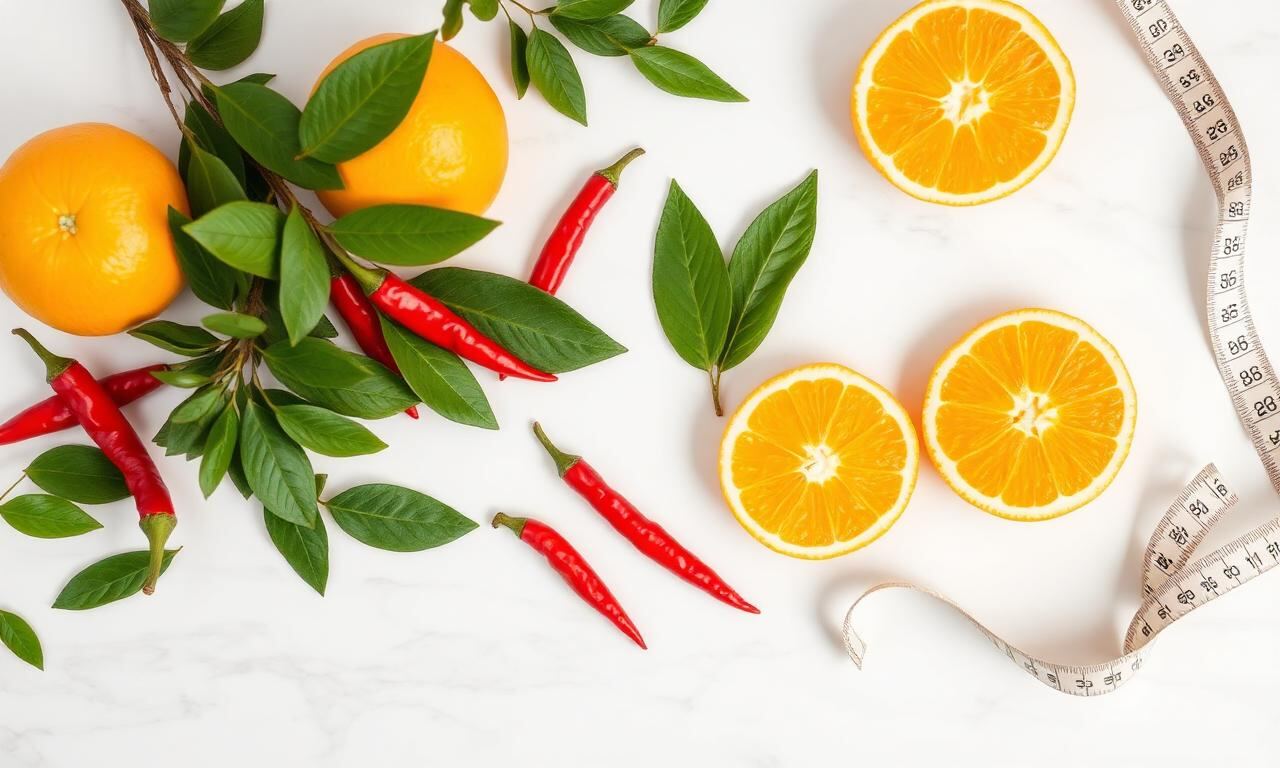
Natural Thermogenics: How Citrus-Based Fat Burners Actually Work
A clear, science-backed breakdown of how thermogenic ingredients like citrus extract, capsaicin and green tea support metabolism and accelerate fat loss.