Why Walking Beats the Gym for Most People Trying to Lose Fat
The underrated science of low-intensity movement: why walking 7,000–10,000 steps a day burns more total fat for most people than three weekly gym sessions.

Dr. Marcus Bennett, MS, RDN
April 23, 2026 · 7 min read
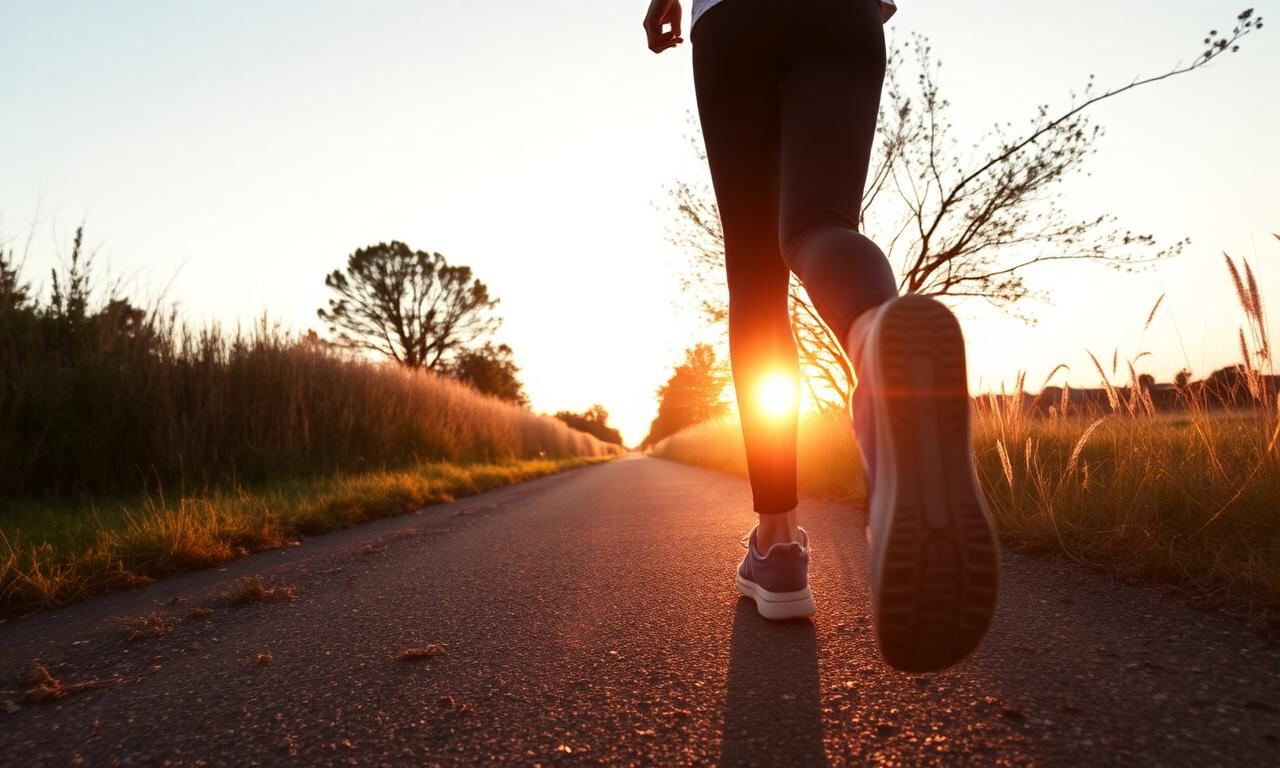
Person walking outdoors at sunrise on a quiet path
The fitness industry would prefer you didn't know this, but the most effective fat-loss tool for the average person isn't a HIIT class, a CrossFit box, or a gym membership. It's walking. Specifically, accumulating 7,000 to 10,000 steps a day, every day, with consistency that intense workouts almost never match.
The math on calorie burn

A 45-minute intense gym session burns roughly 350–500 calories. A day with 10,000 steps — spread across normal life — burns 400–600 calories above your baseline. The gym session happens 3 times a week if you're consistent. The walking happens 7 times. Over a month, the totals aren't close.
Why low-intensity movement burns more fat

At low intensity (heart rate around 55–65% of max), your body preferentially uses fat as fuel. At higher intensities, it shifts toward glycogen. This doesn't mean intense exercise is bad — it builds fitness and preserves muscle — but for the specific goal of burning body fat, walking is unusually efficient. It also doesn't trigger the compensatory hunger response that a hard workout does.
The compensation problem

Here's a finding most people don't hear: after intense exercise, the body often increases hunger and decreases spontaneous movement for the rest of the day, partially erasing the calorie deficit. Walking doesn't trigger this. You burn what you burn, your hunger stays stable, and your overall daily expenditure goes up cleanly.
The mental health bonus

Walking outdoors lowers cortisol — a stress hormone that, when chronically elevated, drives belly fat storage and sugar cravings. A 30-minute walk outdoors has been shown to reduce cortisol levels and improve mood comparably to short courses of medication for mild anxiety. You're not just burning calories; you're undoing the hormonal pattern that makes fat loss harder in the first place.
How to actually hit 10,000 steps
Without a deliberate strategy, most people accumulate 3,000–5,000 steps a day. To get to 10,000 you need structural changes: a 20-minute walk after each meal, parking further from your destination, taking phone calls while walking, a 30-minute morning walk before work. Stacking these into existing routines is what makes it sustainable.
Walking + a calorie deficit = the easiest fat loss possible
Combine 8,000+ daily steps with a modest calorie deficit (300–500 calories below maintenance) and you'll lose roughly half a pound to a pound of fat per week with very little hunger or fatigue. No special diet required, no gym membership, no equipment. This is the protocol that quietly works for the people you see actually losing weight and keeping it off.
“The underrated science of low-intensity movement: why walking 7,000–10,000 steps a day burns more total fat for most people than three weekly gym sessions.”
What about strength training?
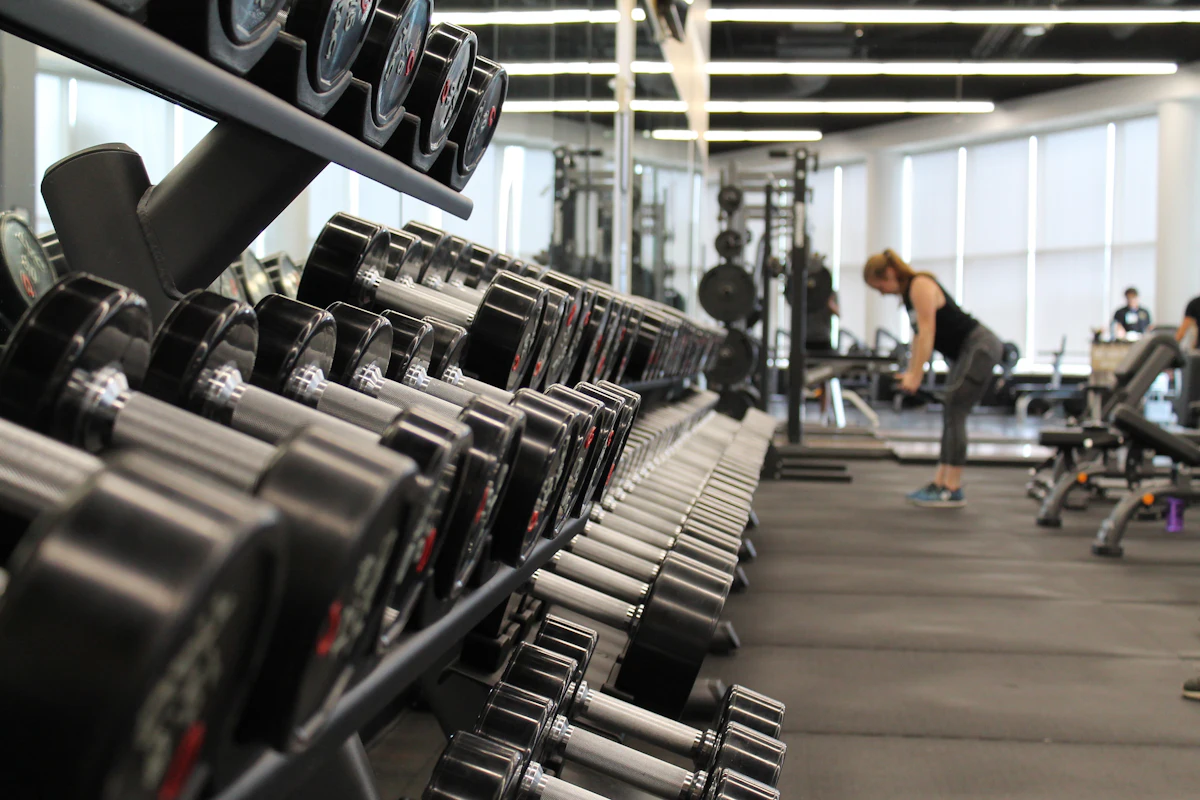
Strength training is still valuable — it preserves muscle mass during a deficit and improves long-term metabolic health. The point isn't to skip it. The point is that if you're choosing where to invest your limited daily energy, walking gives a much higher fat-loss return per minute than almost anything else, and it's the foundation everything else builds on.
The takeaway

Stop optimizing for the perfect workout. Start optimizing for daily movement. Walk after every meal. Walk on phone calls. Walk before work. The cumulative effect on your body composition over a year will surprise you — and you'll never feel like you're on a diet.
Best Deals Today


Continue reading
April 23, 2026
Stubborn Belly Fat After 30: Why It Won't Budge (And What Actually Works)
Why belly fat becomes harder to lose after 30 — the metabolic, hormonal, and lifestyle drivers — and the evidence-based habits, foods, and supplements that genuinely move the needle.

April 25, 2026
Vision Decline After 40: What's Actually Happening to Your Eyes (And How to Slow It Down)
Why eyesight changes after 40 are biological — not just a nuisance — and the evidence-based nutrients, habits, and supplements that can meaningfully slow the process.

April 25, 2026
Digital Eye Strain: Why Your Eyes Hurt After Screen Time (And How to Actually Fix It)
A research-backed guide to the real causes of digital eye strain — and the screen habits, environmental tweaks, and nutrients that genuinely make a difference.

April 20, 2026
Natural Thermogenics: How Citrus-Based Fat Burners Actually Work
A clear, science-backed breakdown of how thermogenic ingredients like citrus extract, capsaicin and green tea support metabolism and accelerate fat loss.