How Sleep Deprivation Sabotages Fat Loss (And What the Research Says)
The often-ignored hormonal cost of poor sleep: how a single short night can raise hunger by 300+ calories the next day, and the protocol that fixes it.

Dr. Marcus Bennett, MS, RDN
April 24, 2026 · 7 min read
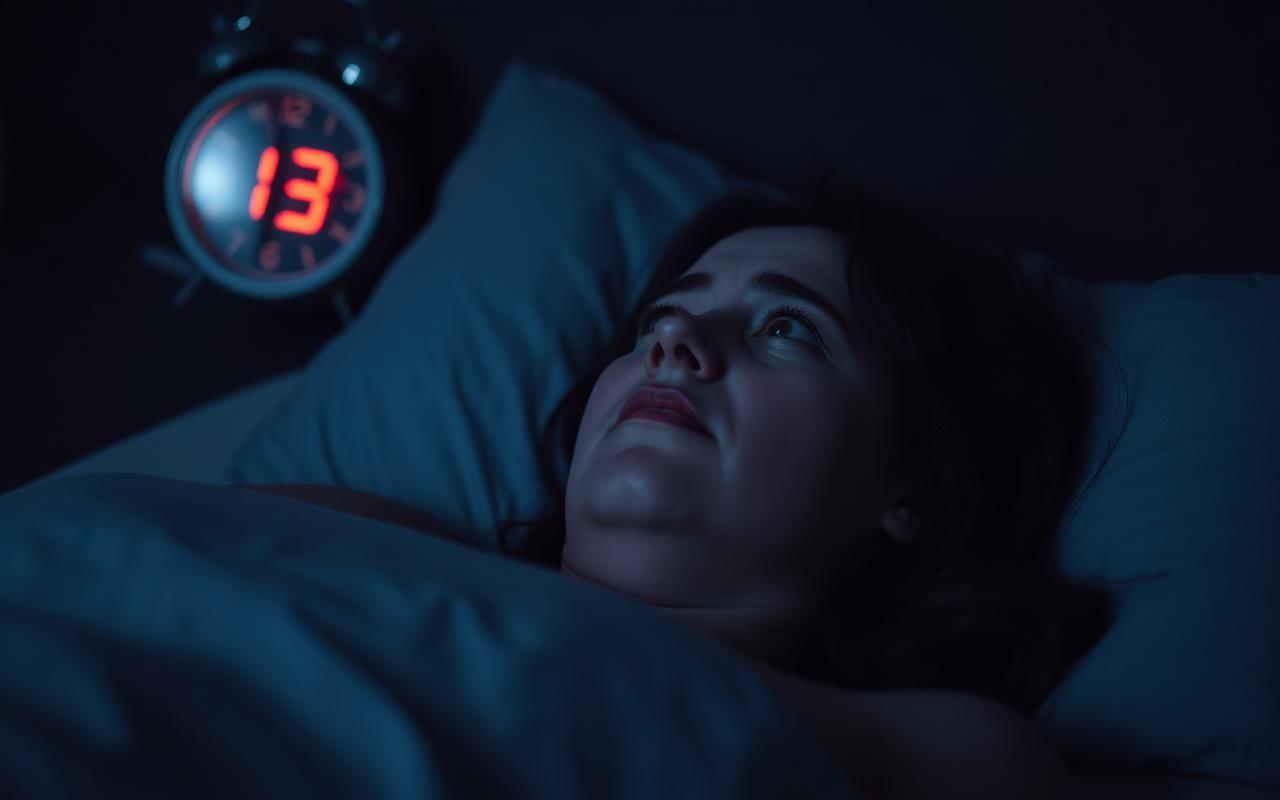
Cozy bedroom at night with warm lamp light and a glass of water on the nightstand
You can do everything right — track calories, hit your protein, walk every day, take a quality supplement — and still stall on fat loss for one reason: you're not sleeping enough. Sleep is the most underrated lever in the entire fat-loss equation, and the research on it is more dramatic than most people realize.
What happens hormonally when you sleep less than 7 hours

After a single night of 5 hours of sleep, ghrelin (your hunger hormone) rises by roughly 15%, and leptin (your fullness hormone) drops by about 15%. The combined effect is that you'll eat an estimated 300–500 extra calories the next day, almost entirely from carbohydrate cravings. Multiply that across a week of poor sleep and you've erased an entire week of dieting effort without realizing it.
The cortisol problem

Chronic sleep deprivation also elevates cortisol — a stress hormone that promotes abdominal fat storage and breaks down lean muscle. This is why people who diet hard but sleep badly often lose weight in the wrong places: they shed muscle, retain belly fat, and end up looking softer despite the scale moving.
Insulin sensitivity collapses fast

After just one week of 5-hour nights, healthy adults show insulin sensitivity comparable to early-stage type 2 diabetics. This means your body stores more of what you eat as fat and is far less efficient at using stored fat for energy. The fat-loss process essentially reverses while you sleep poorly.
The 7–9 hour target isn't optional

Adults need 7–9 hours of quality sleep per night for normal hormonal function. Six hours is not 'enough if you function fine on it' — the subjective feeling of being okay on less sleep is well-documented to be unreliable. Cognitive and metabolic markers show clear impairment even when people report feeling fine.
A practical sleep protocol that actually works
Three rules cover 80% of the gain. First, fix your wake time — the same time every day, including weekends. Your bedtime will normalize around it. Second, no screens in the 30 minutes before bed; blue light suppresses melatonin and delays sleep onset by an average of 90 minutes. Third, keep your bedroom cool (around 65°F / 18°C) and dark — even small amounts of light through eyelids reduce sleep quality measurably.
Caffeine, alcohol, and late meals

Caffeine has a half-life of 5–6 hours, meaning a 3 PM coffee leaves a quarter of the dose in your system at bedtime. Cut caffeine by 2 PM. Alcohol is sedating but destroys deep sleep architecture — even one or two drinks meaningfully reduces REM sleep. And eating within two hours of bed raises core body temperature, which delays sleep onset.
“The often-ignored hormonal cost of poor sleep: how a single short night can raise hunger by 300+ calories the next day, and the protocol that fixes it.”
The compounding effect

When you start sleeping 7–8 hours consistently, hunger drops, energy stabilizes, workouts feel easier, and the same diet that wasn't working starts producing visible results within 2–3 weeks. People often credit a new routine or supplement for the breakthrough, but the actual variable that changed was sleep.
The bottom line
If you're stuck on fat loss and you're sleeping less than 7 hours, fix that before you change anything else in your diet or training. It's the single highest-return change available to you, and it's free.
Best Deals Today

Continue reading
April 23, 2026
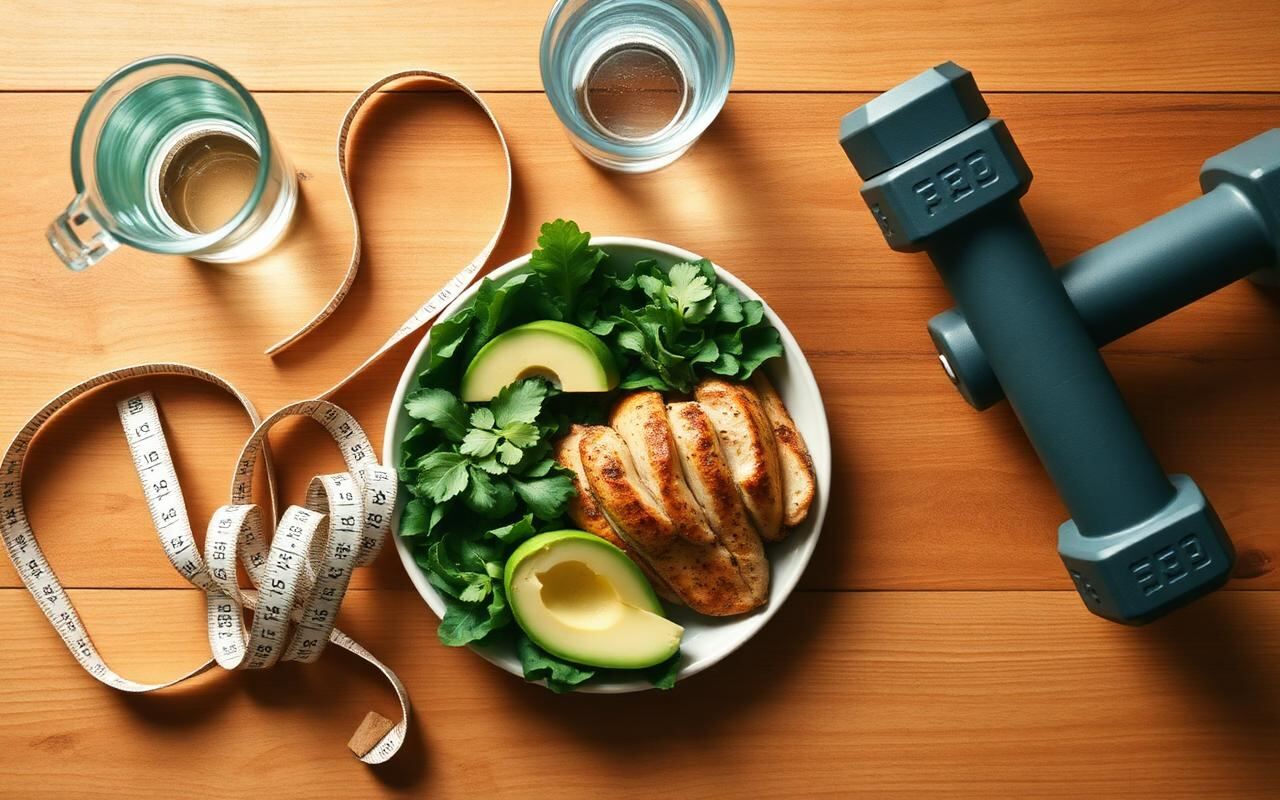
Stubborn Belly Fat After 30: Why It Won't Budge (And What Actually Works)
Why belly fat becomes harder to lose after 30 — the metabolic, hormonal, and lifestyle drivers — and the evidence-based habits, foods, and supplements that genuinely move the needle.
April 25, 2026
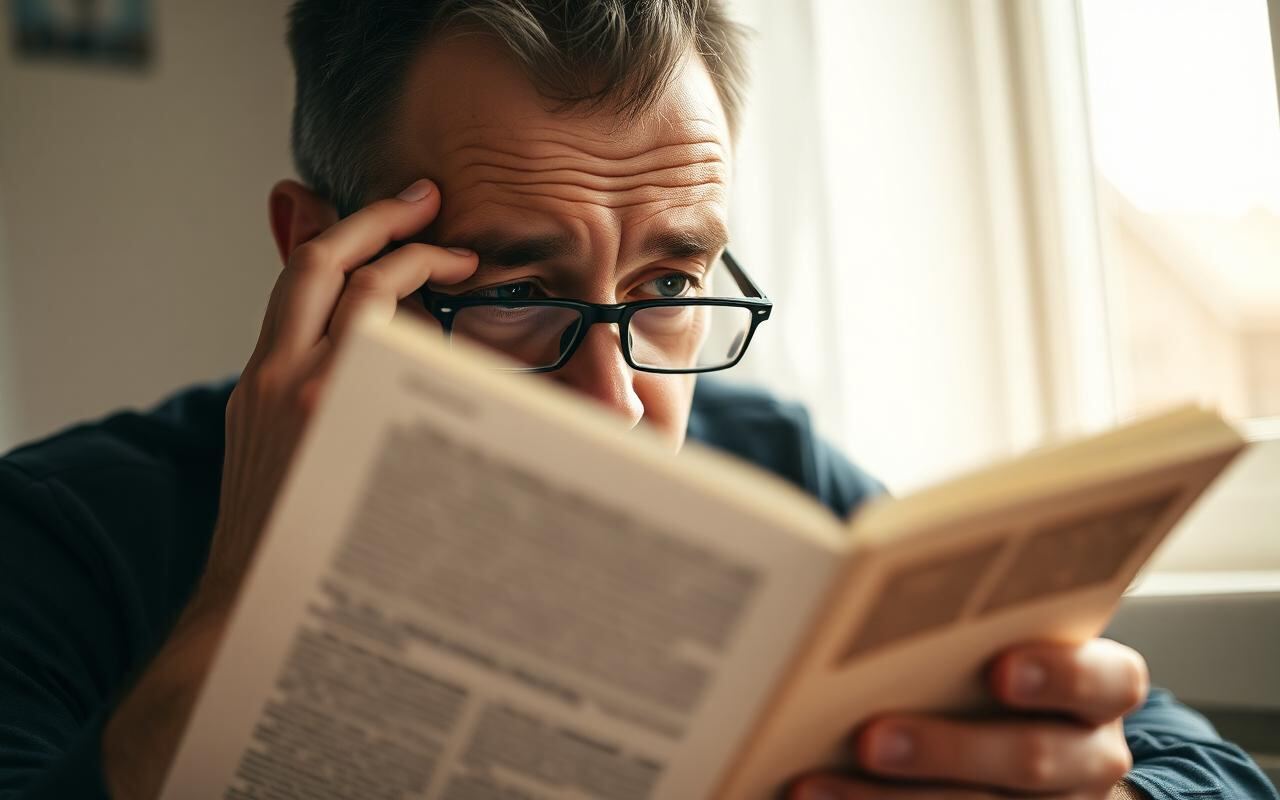
Vision Decline After 40: What's Actually Happening to Your Eyes (And How to Slow It Down)
Why eyesight changes after 40 are biological — not just a nuisance — and the evidence-based nutrients, habits, and supplements that can meaningfully slow the process.

April 25, 2026
Digital Eye Strain: Why Your Eyes Hurt After Screen Time (And How to Actually Fix It)
A research-backed guide to the real causes of digital eye strain — and the screen habits, environmental tweaks, and nutrients that genuinely make a difference.

April 20, 2026
Natural Thermogenics: How Citrus-Based Fat Burners Actually Work
A clear, science-backed breakdown of how thermogenic ingredients like citrus extract, capsaicin and green tea support metabolism and accelerate fat loss.