Low Energy and Drive After 40: The Hormonal Shift Most Men Miss
Why energy, drive and stamina quietly fade after 40 — the testosterone, sleep and lifestyle drivers behind it, and the evidence-based foods, habits and supplements that actually help.

Dr. Marcus Bennett, MS, RDN
April 22, 2026 · 8 min read

Oysters, almonds, dark chocolate and pumpkin seeds on a dark wooden table
If you're past 40 and feel like your battery never quite charges to 100%, you're not lazy and you're not 'just getting older.' A measurable hormonal and metabolic shift starts in most men between 35 and 45 — and it shows up first as foggy mornings, low motivation, weaker workouts and reduced drive. The good news: most of it is reversible once you understand what's actually happening.
The slow testosterone decline nobody warns you about

Total testosterone in men declines by roughly 1–2% per year starting around age 30. That doesn't sound dramatic, but compounded over 15–20 years it's a 25–40% drop. Lower testosterone affects energy, mood, lean muscle, fat distribution, libido and even cognitive sharpness. Most men attribute the changes to stress or aging when, biochemically, the hormone curve is the real driver.
Why sleep is the #1 testosterone amplifier
Most of your daily testosterone is produced during deep sleep, particularly in the second half of the night. Studies show that men who sleep less than 5 hours per night for just one week have testosterone levels comparable to men 10–15 years older. Before chasing supplements or training tweaks, fix sleep: consistent wake time, dark cool bedroom, no screens 30 minutes before bed.
The zinc and magnesium foundation

Two minerals quietly drive the male hormonal system: zinc and magnesium. Zinc is required for testosterone synthesis and is depleted by sweat, stress and alcohol. Magnesium supports free testosterone, muscle recovery and deep sleep. Most men eating a typical Western diet are mildly deficient in both. Oysters, beef, pumpkin seeds, almonds, dark chocolate and leafy greens are the strongest food sources.
For adult men looking to combine these minerals and male-vitality botanicals in one daily formula, a natural male performance supplement with a 60-day money-back guarantee is one credible option to consider. Affiliate disclosure.
Resistance training: still the strongest natural lever
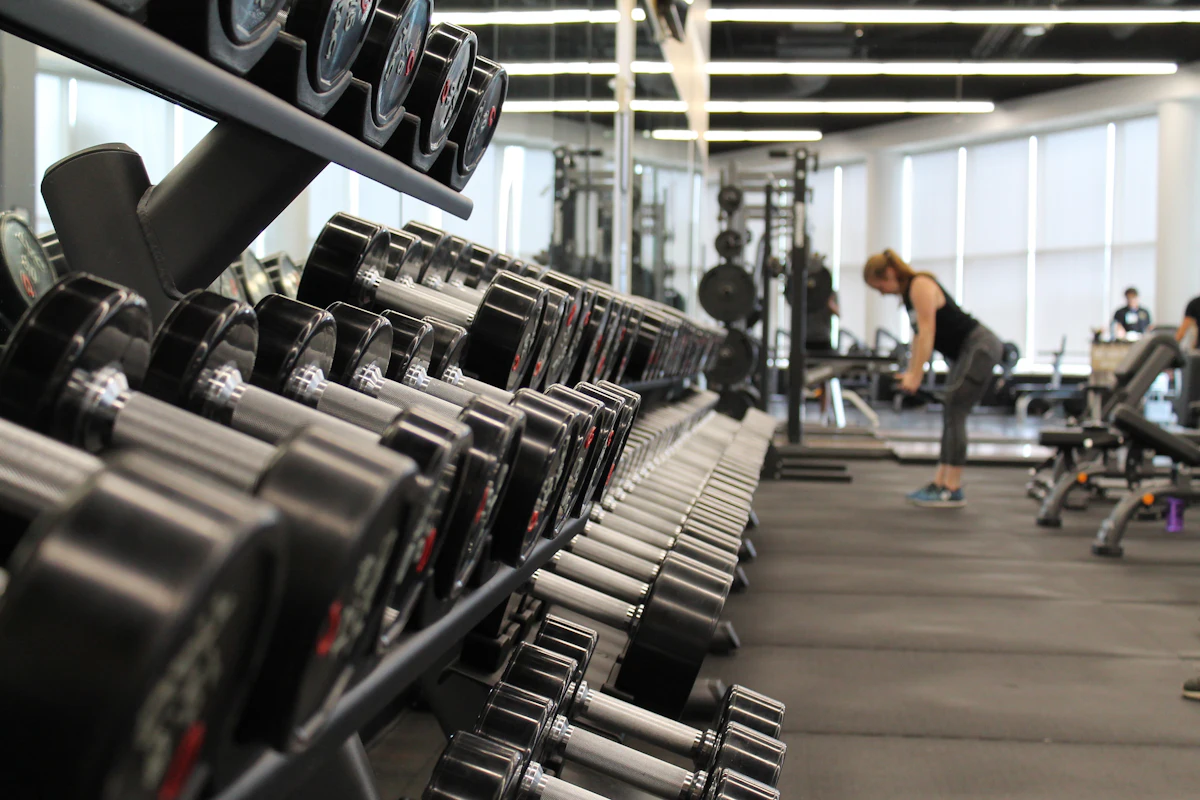
Three short heavy lifting sessions per week — squats, deadlifts, presses, rows — produce measurable acute and chronic testosterone improvements in adult men. The mechanism is dose-dependent: short, intense sessions outperform long, draining ones. Aim for 30–45 minutes, focusing on compound lifts. Walking covers cardiovascular health; lifting covers hormonal health.
How chronic stress sabotages everything

Cortisol and testosterone share the same biochemical precursor — pregnenolone. When stress is chronic, your body prioritizes cortisol production, leaving less raw material for testosterone. This is why men under prolonged work or relationship stress often report the same triad: low energy, low drive and stubborn belly fat. Daily stress management isn't optional after 40 — it's part of the hormonal protocol.
The botanicals that have research behind them

A handful of traditional botanicals consistently show up in human studies: tongkat ali (improvements in free testosterone and stress markers), tribulus terrestris (libido support), epimedium (blood flow and drive), ginseng (stamina and fatigue) and saw palmetto (prostate and hormone balance). Used together at meaningful doses, this stack mirrors the formulas found in well-designed male-vitality supplements.
Hydration, alcohol and the silent drainers

Mild dehydration drops testosterone within 24 hours. Heavy alcohol — especially in the form of nightly drinks — suppresses testosterone production for up to 72 hours. Even one or two extra drinks per week, over years, compounds. Cleaning up these two silent drainers is often the highest-leverage move a 40+ man can make in a single week.
“Why energy, drive and stamina quietly fade after 40 — the testosterone, sleep and lifestyle drivers behind it, and the evidence-based foods, habits and supplements that actually help.”
What realistic results look like

Men who fix sleep, train 3x per week, hit the mineral basics, manage stress and add a credible male-vitality supplement typically report better mornings within 2 weeks, better workouts within 4 weeks and meaningfully better drive and stamina between weeks 6 and 12. There's no overnight switch, but the trajectory turns around faster than most men expect once the right inputs are in place.
When to consider a doctor

If symptoms are severe — extreme fatigue, complete loss of drive, depression, unexplained weight gain, erectile dysfunction unresponsive to lifestyle changes — get bloodwork. Total testosterone, free testosterone, SHBG, estradiol and thyroid panel give a complete picture. Lifestyle and supplements are powerful, but a true clinical deficiency deserves clinical attention.
The bottom line
After 40, energy and drive aren't lost — they're suppressed by predictable inputs. Sleep, lifting, mineral-rich food, stress control, smart hydration and the right botanicals form the toolkit. Done consistently for 8–12 weeks, most men feel a decade younger. The men who quietly do this work in their 40s are the ones who don't think twice about their stamina at 60.
Best Deals Today
Continue reading
April 23, 2026
Stubborn Belly Fat After 30: Why It Won't Budge (And What Actually Works)
Why belly fat becomes harder to lose after 30 — the metabolic, hormonal, and lifestyle drivers — and the evidence-based habits, foods, and supplements that genuinely move the needle.

April 25, 2026
Vision Decline After 40: What's Actually Happening to Your Eyes (And How to Slow It Down)
Why eyesight changes after 40 are biological — not just a nuisance — and the evidence-based nutrients, habits, and supplements that can meaningfully slow the process.

April 25, 2026
Digital Eye Strain: Why Your Eyes Hurt After Screen Time (And How to Actually Fix It)
A research-backed guide to the real causes of digital eye strain — and the screen habits, environmental tweaks, and nutrients that genuinely make a difference.
April 20, 2026
Natural Thermogenics: How Citrus-Based Fat Burners Actually Work
A clear, science-backed breakdown of how thermogenic ingredients like citrus extract, capsaicin and green tea support metabolism and accelerate fat loss.