Stamina and Blood Flow After 40: The Cardio-Hormonal Connection No One Talks About
Why stamina and performance after 40 depend more on circulation than on willpower — the cardio-hormonal mechanisms behind it, and the daily habits and nutrients that genuinely help.

Dr. Marcus Bennett, MS, RDN
April 20, 2026 · 7 min read

Adult man lacing running shoes on a park trail at sunrise
Most men over 40 chase the wrong target when stamina starts to fade. They blame motivation, age, or testosterone. But the real bottleneck — across workouts, daily energy, recovery and bedroom performance — is usually something quieter: blood flow. Once you understand the cardio-hormonal connection, the path back to stamina becomes surprisingly direct.
Why circulation declines silently after 40

Endothelial function — the ability of blood vessels to dilate and contract responsively — declines roughly 5–10% per decade after age 30. The arterial walls become less elastic, nitric oxide production drops, and capillary density decreases. None of this shows up on a routine checkup, but it shows up in real life: slower workout recovery, weaker pumps, reduced morning vitality, and stamina that just doesn't last like it used to.
The nitric oxide bottleneck
Nitric oxide (NO) is the molecule responsible for vasodilation — telling your blood vessels to relax and let more blood through. NO production naturally drops with age. The result is that the same effort delivers less blood, less oxygen, and less performance. Foods rich in dietary nitrates (beets, leafy greens, arugula) and the amino acids L-arginine and L-citrulline support NO production naturally.
The cardio-hormonal feedback loop

Healthy blood flow depends on healthy testosterone, and healthy testosterone depends on healthy blood flow. Each amplifies the other. When circulation drops, hormone delivery to tissues declines and recovery slows. When testosterone drops, vascular tone weakens. This is why isolated 'testosterone boosters' rarely deliver — without addressing circulation, the hormonal lift never reaches the tissues that need it.
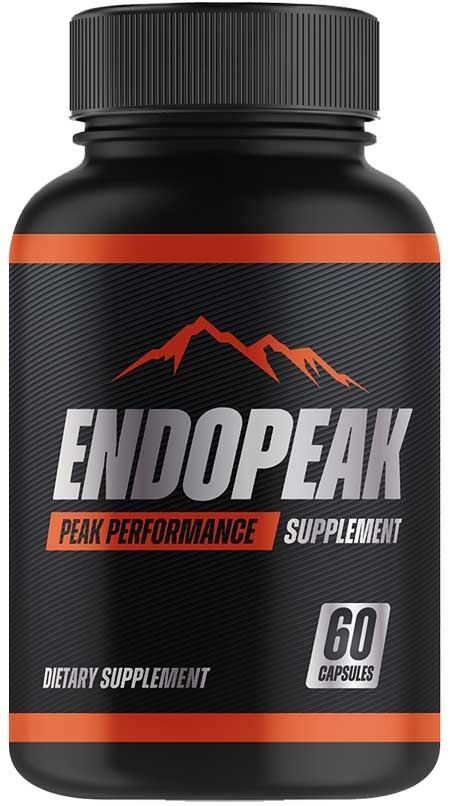
For adult men looking to combine these minerals and male-vitality botanicals in one daily formula, a natural male performance supplement with a 60-day money-back guarantee is one credible option to consider. Affiliate disclosure.
Daily walking: the most underrated stamina drug

Brisk walking 30–45 minutes per day is one of the most consistently studied interventions for endothelial function. It's not glamorous, but the data is overwhelming: lower blood pressure, better arterial elasticity, improved insulin sensitivity, and measurable improvements in stamina within 4–8 weeks. Men who walk daily age dramatically slower at the cardiovascular level than those who rely on weekend warrior workouts alone.
Why heavy lifting still matters for circulation

Resistance training does more than build muscle — it acutely improves vascular function and chronically improves capillary density. Compound lifts (squats, deadlifts, presses) drive the largest blood-flow demand and trigger the strongest adaptations. Two to three sessions per week, focused on the basics, is enough. The combination of daily walking + 2–3 lifting sessions covers both endurance and arterial health better than any single approach.
Foods that act on the vascular system
Beets, dark leafy greens, pomegranate, dark chocolate, fatty fish, walnuts, garlic, and tomatoes all have direct cardiovascular evidence behind them. The Mediterranean dietary pattern — built around these foods plus olive oil, legumes and moderate wine — is the most consistently studied diet for both heart health and male hormonal health. The overlap isn't coincidence; the same systems benefit.
The role of botanicals like hawthorn, epimedium and ginseng

Several traditional herbs have direct circulation evidence. Hawthorn supports vascular tone and capillary health. Epimedium (horny goat weed) acts mildly on the same enzyme pathway as cardiovascular performance medications. Ginseng improves microcirculation and stamina. When stacked with the mineral basics (zinc, magnesium) and male-vitality botanicals (tribulus, tongkat ali, saw palmetto), the combination addresses both the cardiovascular and hormonal sides of stamina at once.
“Why stamina and performance after 40 depend more on circulation than on willpower — the cardio-hormonal mechanisms behind it, and the daily habits and nutrients that genuinely help.”
Sleep, hydration and the silent drainers

Poor sleep raises cortisol, which constricts blood vessels. Dehydration thickens blood and reduces flow. Excess alcohol disrupts both. These aren't side issues — they're load-bearing pillars. A man who fixes sleep, drinks enough water, and moderates alcohol will see measurable improvements in stamina within 2–4 weeks, before adding any other intervention.
What realistic results look like

Men who commit to the full system — daily walking, 2–3 lifting sessions, Mediterranean-style eating, smart hydration, consistent sleep, and a credible male-vitality formula — typically notice better workouts within 2 weeks, better daily energy within 4 weeks, and meaningfully better stamina and drive between weeks 6 and 12. The cardio-hormonal system rewards consistency more than intensity.
The bottom line
Stamina after 40 isn't a willpower problem — it's a circulation problem with a hormonal layer on top. The fix is unglamorous and reliable: move daily, lift twice a week, eat for your arteries, sleep enough, and consider a credible formula that supports both blood flow and hormonal balance. Done for 12 weeks, most men reclaim a level of stamina they assumed was permanently behind them.
Best Deals Today
Continue reading
April 23, 2026
Stubborn Belly Fat After 30: Why It Won't Budge (And What Actually Works)
Why belly fat becomes harder to lose after 30 — the metabolic, hormonal, and lifestyle drivers — and the evidence-based habits, foods, and supplements that genuinely move the needle.

April 25, 2026
Vision Decline After 40: What's Actually Happening to Your Eyes (And How to Slow It Down)
Why eyesight changes after 40 are biological — not just a nuisance — and the evidence-based nutrients, habits, and supplements that can meaningfully slow the process.

April 25, 2026
Digital Eye Strain: Why Your Eyes Hurt After Screen Time (And How to Actually Fix It)
A research-backed guide to the real causes of digital eye strain — and the screen habits, environmental tweaks, and nutrients that genuinely make a difference.
April 20, 2026
Natural Thermogenics: How Citrus-Based Fat Burners Actually Work
A clear, science-backed breakdown of how thermogenic ingredients like citrus extract, capsaicin and green tea support metabolism and accelerate fat loss.